

Where tradition embraces diversity
If Collio is the land of precision, the Colli Orientali del Friuli are the land of diversity.
Only a few kilometres separate these two territories, yet their personalities are remarkably different.
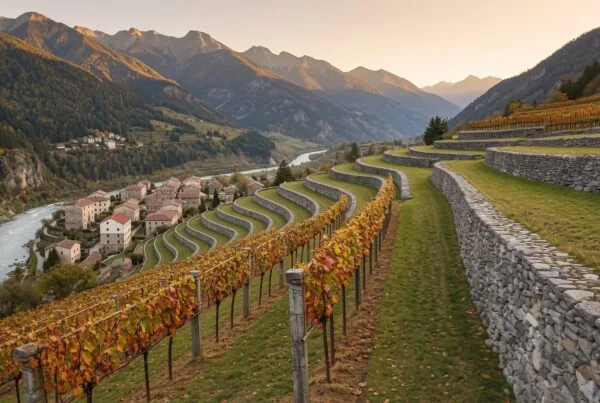
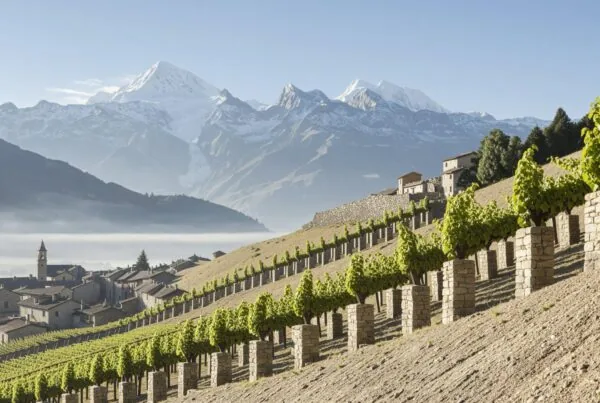
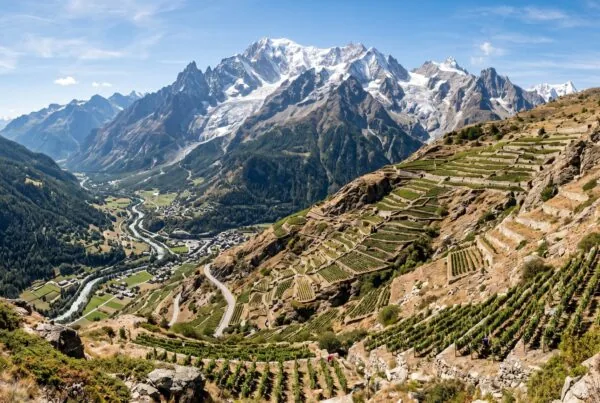
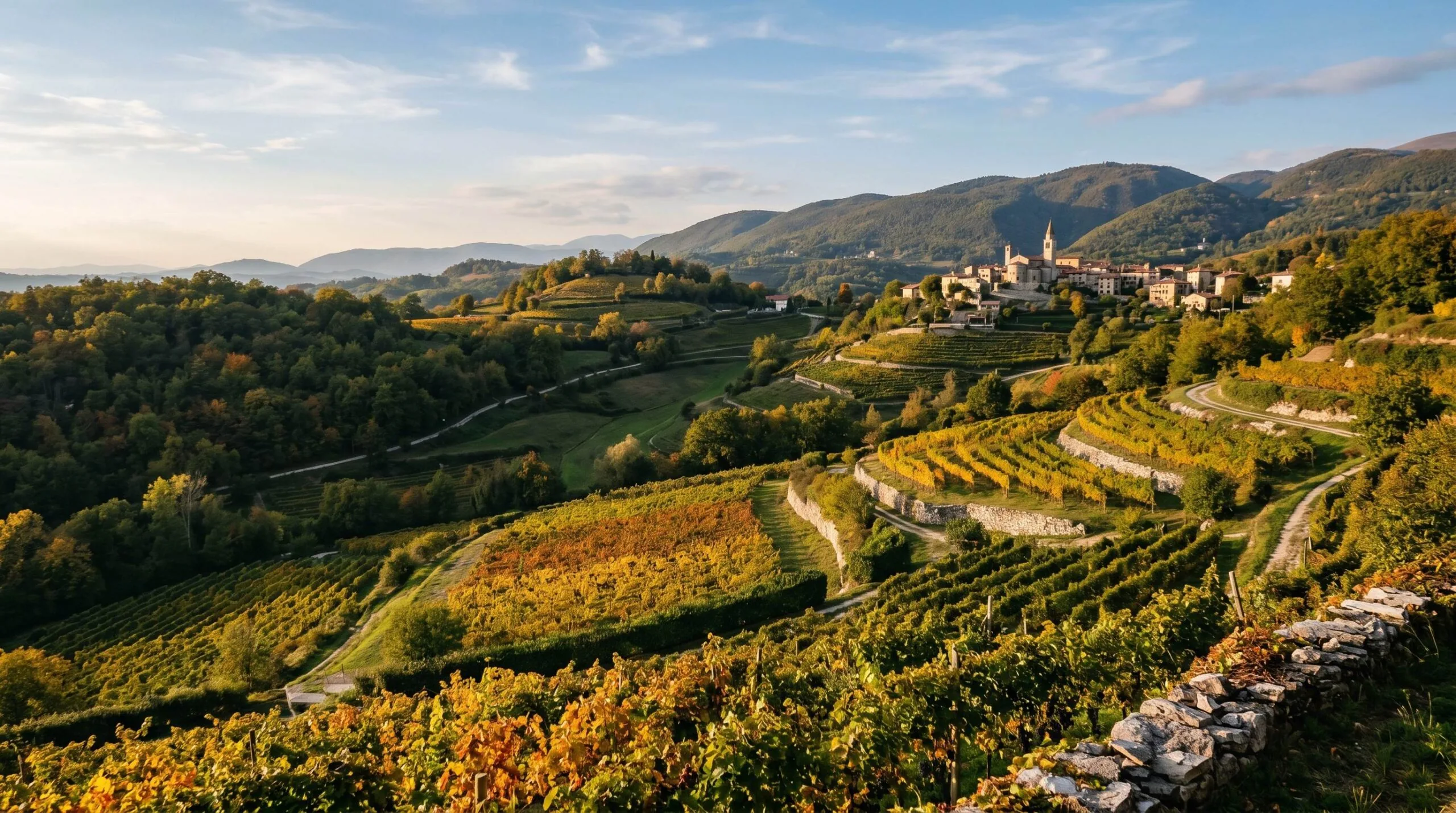
The hills continue toward the Slovenian border, but the landscape becomes broader and more varied. Vineyards share the slopes with forests, small villages and ancient terraces, creating a countryside where viticulture remains deeply rooted in the land.
Here too, ponca supports the vine, while the Julian Alps shelter the vineyards and the breezes from the Adriatic preserve their natural balance.
Yet the Colli Orientali offer something uniquely their own.
Some of Italy’s most important native grape varieties coexist alongside internationally renowned cultivars, creating one of the country’s richest ampelographic landscapes.
TheColli Orientali del Friuli DOC, officially recognised in 1970, protects this extraordinary mosaic of vineyards and traditions. Controlled yields, a carefully defined production area and centuries of winemaking allow every wine to express the place from which it comes with remarkable clarity.
In these hills, there is no single protagonist.
The territory itself, in all its diversity, becomes the common thread.
And it is precisely this richness that makes the Colli Orientali one of Italy’s most complete wine regions.
FRIULANO
The wine that changed its name
Some wines change style.
Others change territory.
Friulano changed its name.
For decades it was known asTocai Friulano, a name deeply rooted in the history of the region. It had nothing in common with Hungary’s famous Tokaji other than a striking similarity in pronunciation.
When Hungary joined the European Union, however, a long legal process led to a decision that would permanently change the identity of the wine.
From 2007 onwards, the name “Tocai” could no longer be used in Italy.
For many producers, it felt like a loss.
For others, it became an opportunity to rediscover the grape’s true identity.
Since then, the wine has simply been known asFriulano.
Its name changed.
Its soul did not.
Elegant, restrained and deeply connected to its homeland, it remains one of the most authentic symbols of Friuli Venezia Giulia.
Sometimes identity is not found in a name.
It lives in the people who continue to preserve it.
RAMANDOLO & PICOLIT
When sweetness becomes elegance
Friuli is celebrated above all for its great dry white wines.
Yet among these hills are born two of Italy’s most refined sweet wines.
Ramandolo, produced from Verduzzo Friulano, andPicolit, made from one of the rarest grape varieties in the country.
Neither wine ever seeks excess.
Sweetness is always supported by freshness, vibrant acidity and an extraordinary sense of balance, making every sip surprisingly elegant.
Picolit, in particular, is one of the most fascinating grape varieties in the Italian wine landscape.
Its naturally poor fruit set dramatically limits production, making every cluster exceptionally precious.
Here, sweet wine is not simply the final course of a meal.
It is an invitation to slow down.
To embrace silence.
To savour time itself.